Solar resource (3 ECTS)
- General introduction to solar radiation.
- Measurement of solar radiation.
- Estimation of solar radiation.
- Sources of solar radiation data.
- Generation of series for simulation.
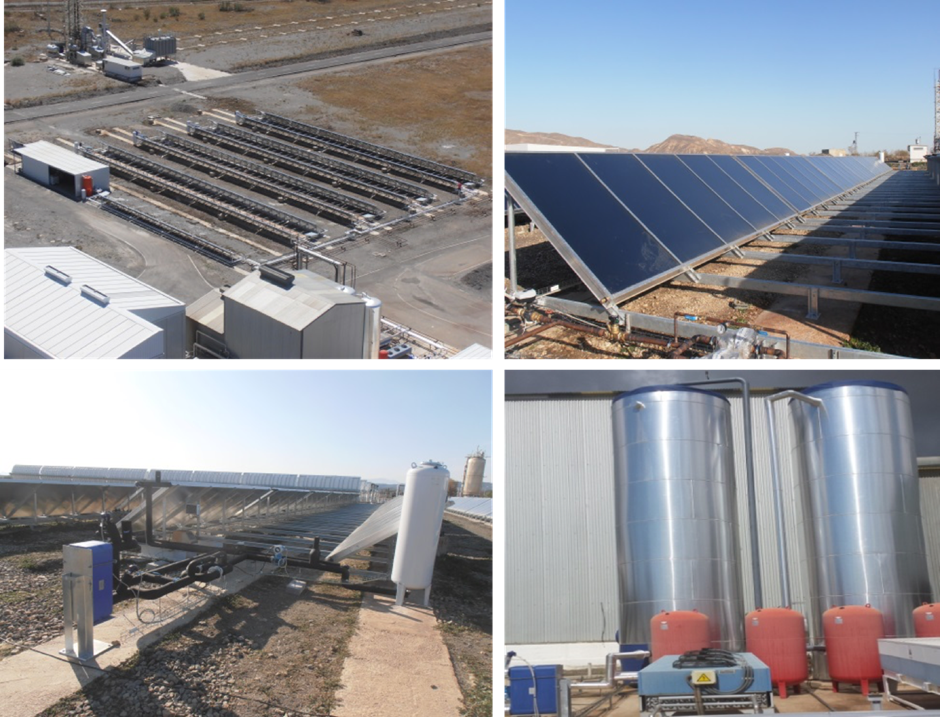
Solar energy at low temperature (3 ECTS)
- Components of low temperature solar thermal systems
- Solar systems for single-family houses
- Large scale low temperature solar thermal systems
- Solar air systems.
- Salt gradient solar ponds.
- Solar cooling systems
- Applications for simulating solar thermal systems
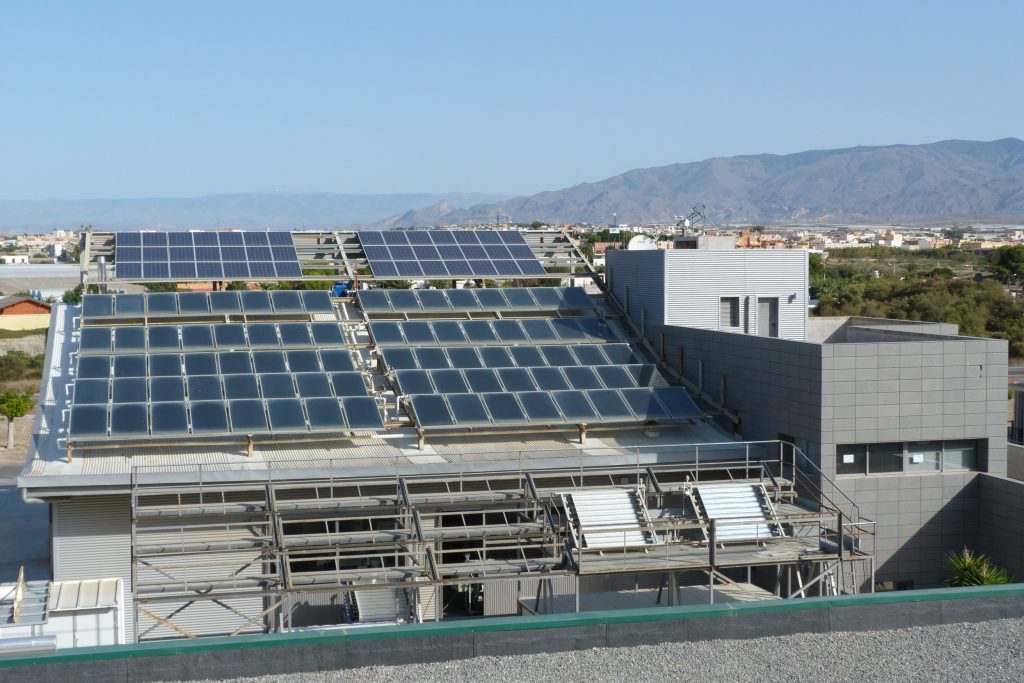
Photovoltaic solar systems (6 ECTS)
- Fundamentals of photovoltaic conversion
- Elements and components in photovoltaic systems.
- Photovoltaic applications.
- Design and optimisation of photovoltaic installations.
- Characterisation of electrical demands aimed at photovoltaic integration.
- . Functional and economic optimisation of photovoltaic projects.
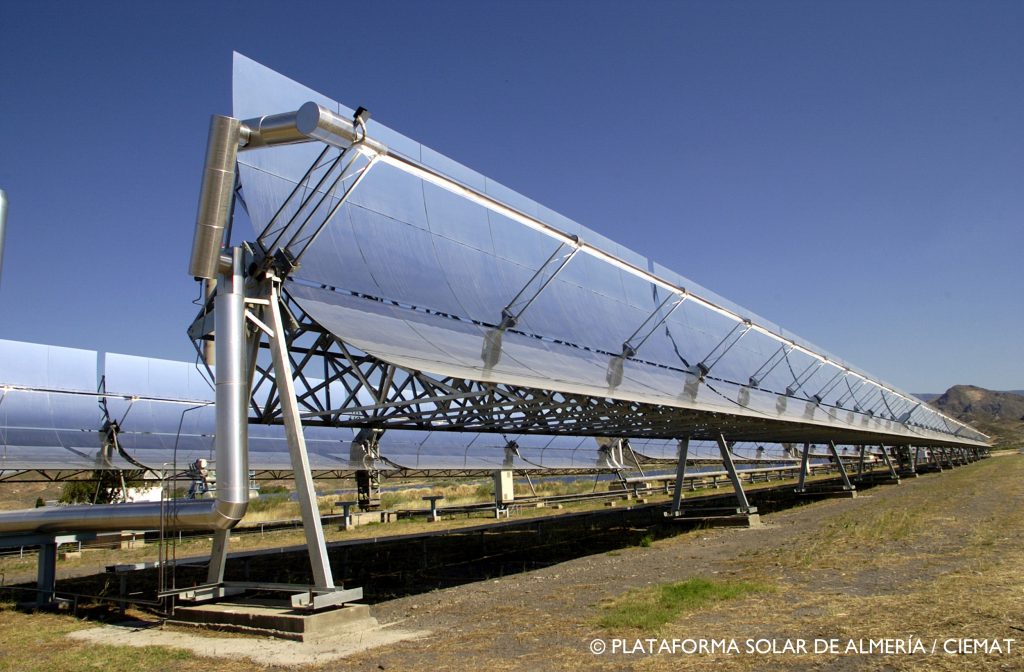
Medium concentration solar systems (4,5 ECTS)
- Basic concepts and commercial potential of solar thermal power plants
- Basic components of parabolic trough collectors (PTCs)
- Main applications of parabolic trough collectors
- Parabolic trough solar collector plants.
- Operation and maintenance of parabolic trough plants.
- Instrumentation, measurement and control equipment for parabolic trough collector fields.
- Linear Fresnel concentrators.
- Direct steam generation with linear focus solar concentrators.
- Dimensioning of parabolic trough fields.
- Classroom directed activity: sizing of an actual PTC field
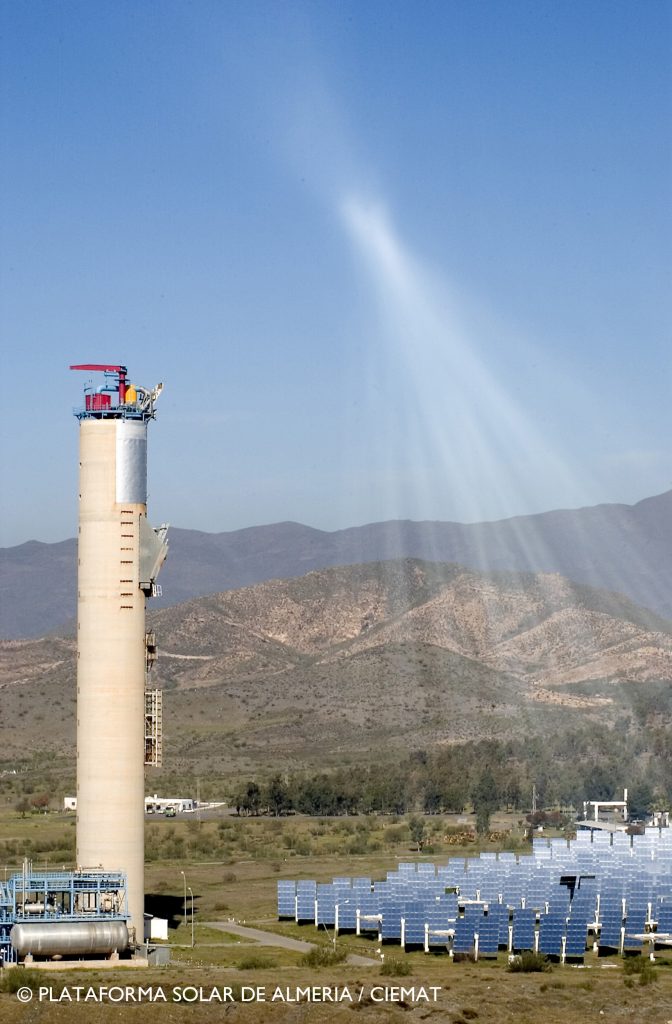
High concentration solar energy systems (6 ECTS)
- Introduction to High Concentration Solar Technology.
- Central Receiver Systems.
- Parabolic Disks.
- Materials for high solar radiation fluxes
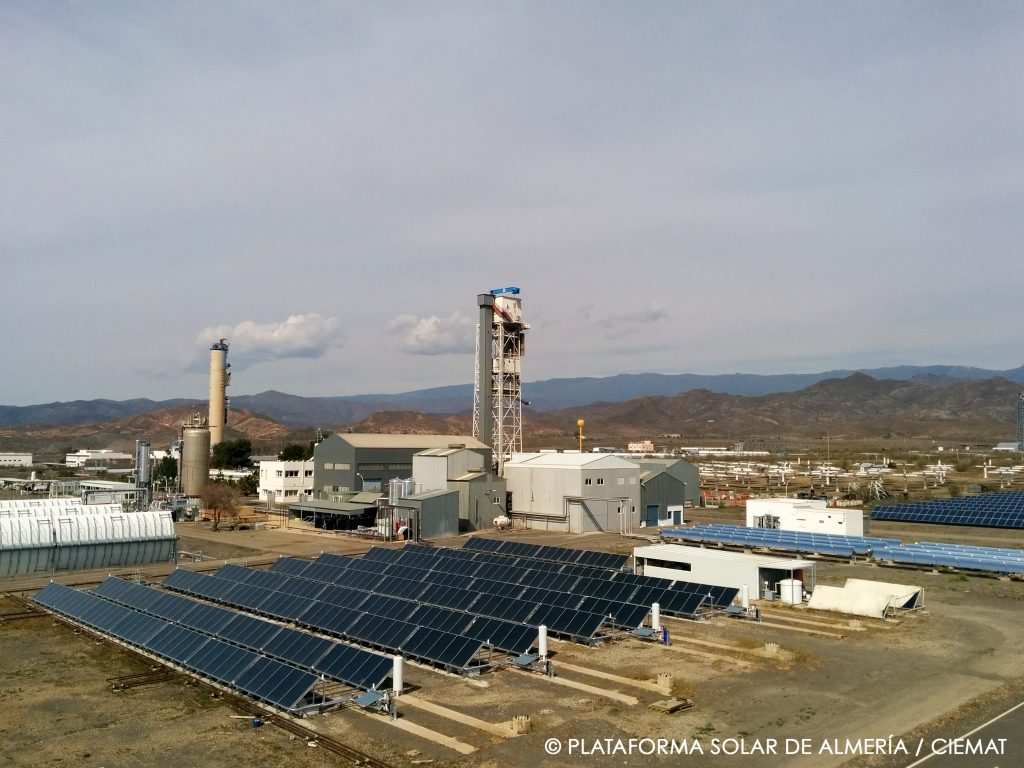
Solar energy and desalination (3 ECTS)
- Basics of desalination.
- Thermal distillation technologies (LT-MED & TVC-MED)
- Thermal distillation technologies (MSF & MVC)
- Reverse osmosis technology.
- Low-capacity solar desalination technologies (Solar stills & HDH)
- Membrane distillation technology
- New technologies associated with desalination processes (SGP, ZLD)
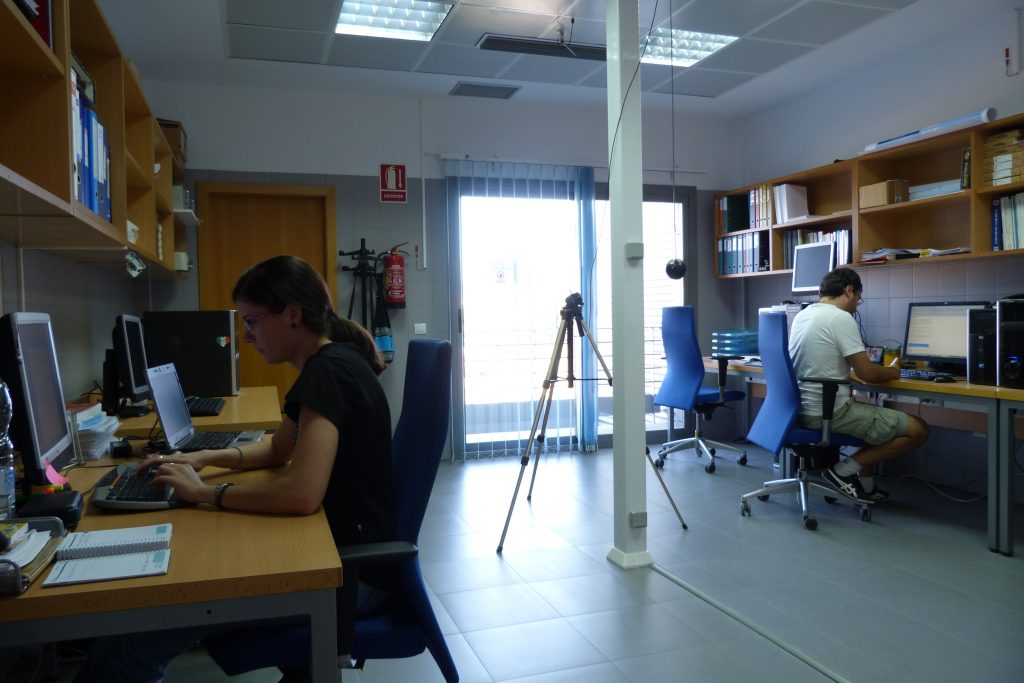
Solar energy and construction (3 ECTS)
- Building physics fundamentals.
- Natural Conditioning Techniques. Applications in new construction and rehabilitation.
- Energy simulation of buildings. Design applications. Regulatory programmes. Control applications.
- Experimental evaluation of the thermal comfort of buildings.
- Integration of solar heating and cooling systems in buildings.
- Design of near-zero net energy buildings. Definitions and tools.
- Building metrology. Energy and climate variables.
- Building modelling based on experimental campaigns.
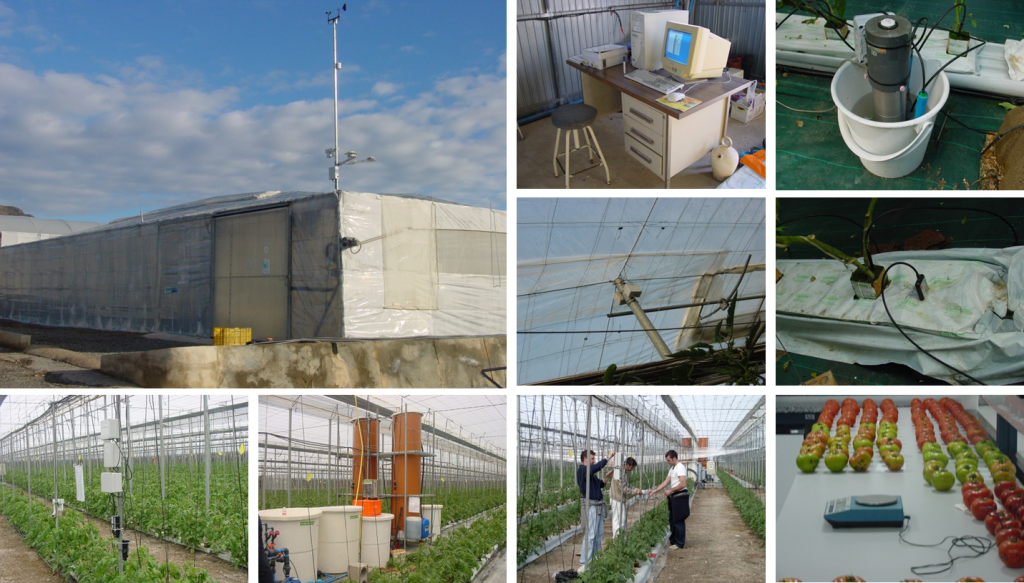
Solar energy and agriculture (3 ECTS)
- Plants as solar collectors
- The greenhouse as a solar collector: energy consumption and generation
- Greenhouse climate control systems.
- Energy balances and modelling of climate variables in greenhouses
- Crop growth models and control.
- Experimental learning in Las Palmerillas and IFAPA.
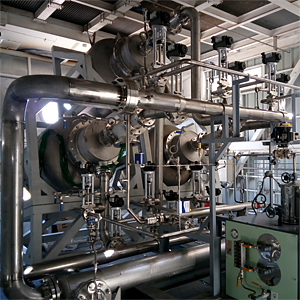
Thermal storage and other concentrating solar energy applications (4,5 ECTS)
- Heat sensitive storage: concept and materials
- Thermocline and packed bed tanks.
- Storage in Latent Heat: Concept and integration in solar thermal power plants.
- Materials for storage in latent heat.
- Thermochemical storage.
- Solar Thermochemistry.
- Solar Hydrogen.
- Thermochemical cycles and solar reactors
- Materials processing with concentrated solar energy
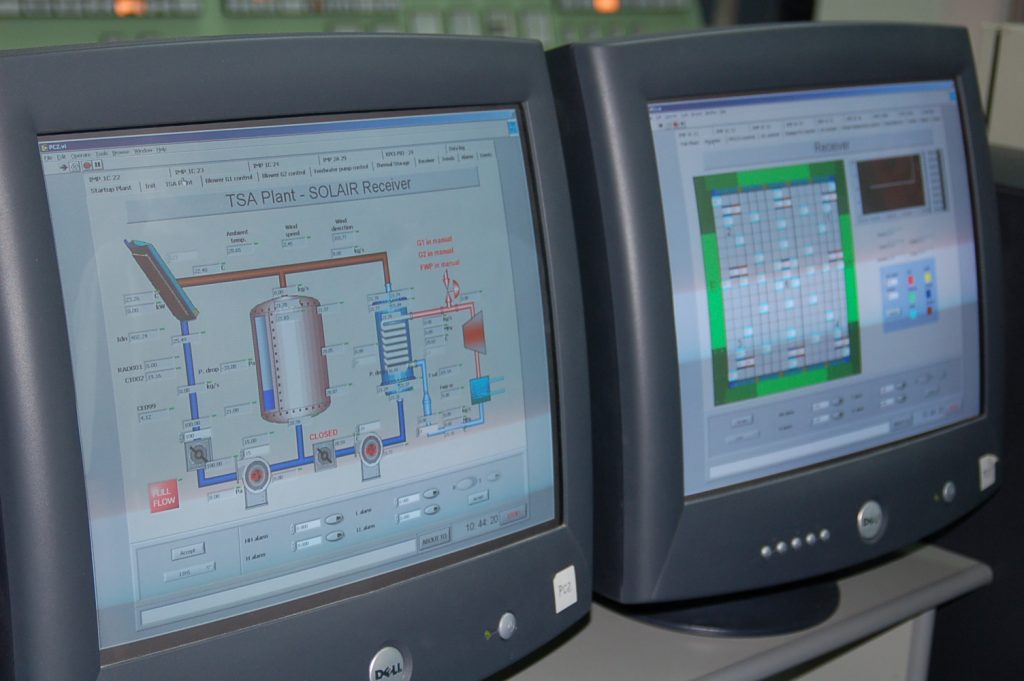
Modeling, control and energy management in solar energy plants (4,5 ECTS)
- Introduction to the modeling, simulation and control of solar energy plants.
- Basic elements of the problem of control of solar energy plants and industrial examples.
- Modeling and simulation of solar power plants.
- Characterization of system dynamics, perturbations and non-linearity.
- Basic control techniques. Basic diagrams of the control of solar energy plants and aplications to distributed solar collectors.
- Identification and advanced control techniques. .
- Energy management in solar energy plants.
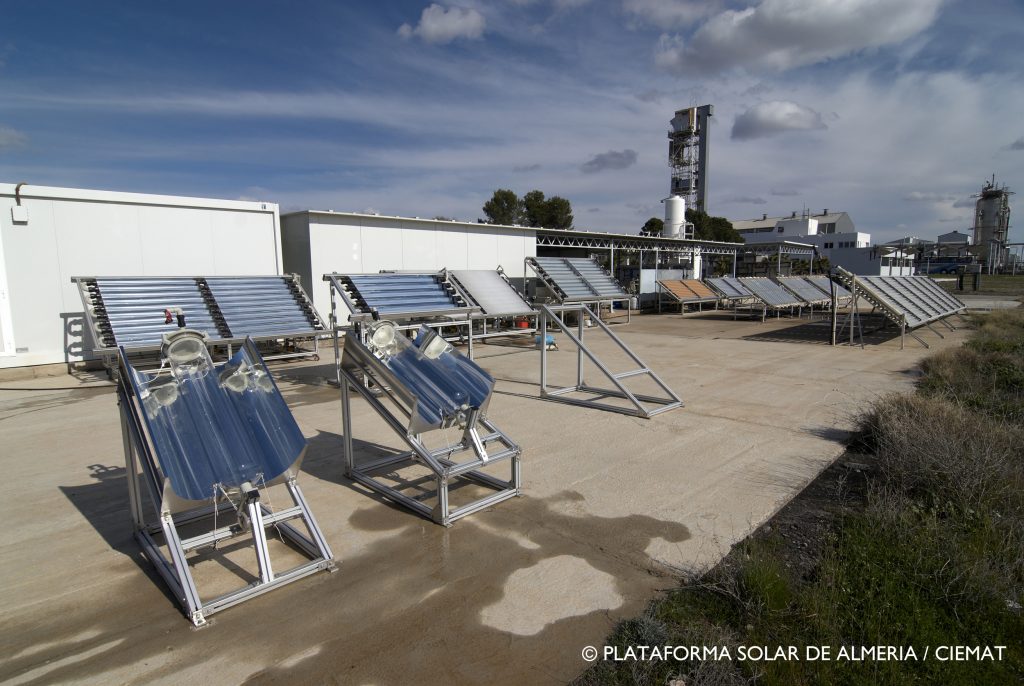
Photo-reactors and photo-bioreactors (4,5 ECTS)
- Photo-reactors for water treatment and disinfection
- General introduction to water problems (shortages, contaminants and pathogens)
- Solar reactors for photocatalysis: technical aspects and industrial plants
- Chemical pollutants and micro-pollutants in water, analytical techniques.
- Water decontamination through solar radiation.
- Water disinfection through solar photocatalysis.
- Solar disinfection (SODIS) for vulnerable communities. .
Second block:
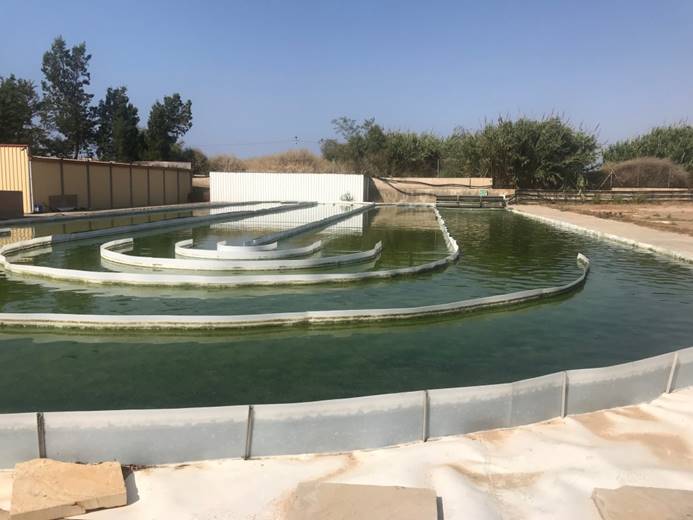
- Photobioreactors (FBRs) for mass cultivation of microalgae.
- Introduction to the cultivation of photosynthetic microorganisms.
- Light distribution in dense crops. Light-limited growth kinetics.
- Photobioreactors, types and modes of operation.
- Optimization of productivity in FBRs and maximization of photosynthetic efficiency.
- Design of gas exchange in FBRs.
- Hydraulic design and thermal exchanges in PBRs.
- Integrated design of industrial FBRs.
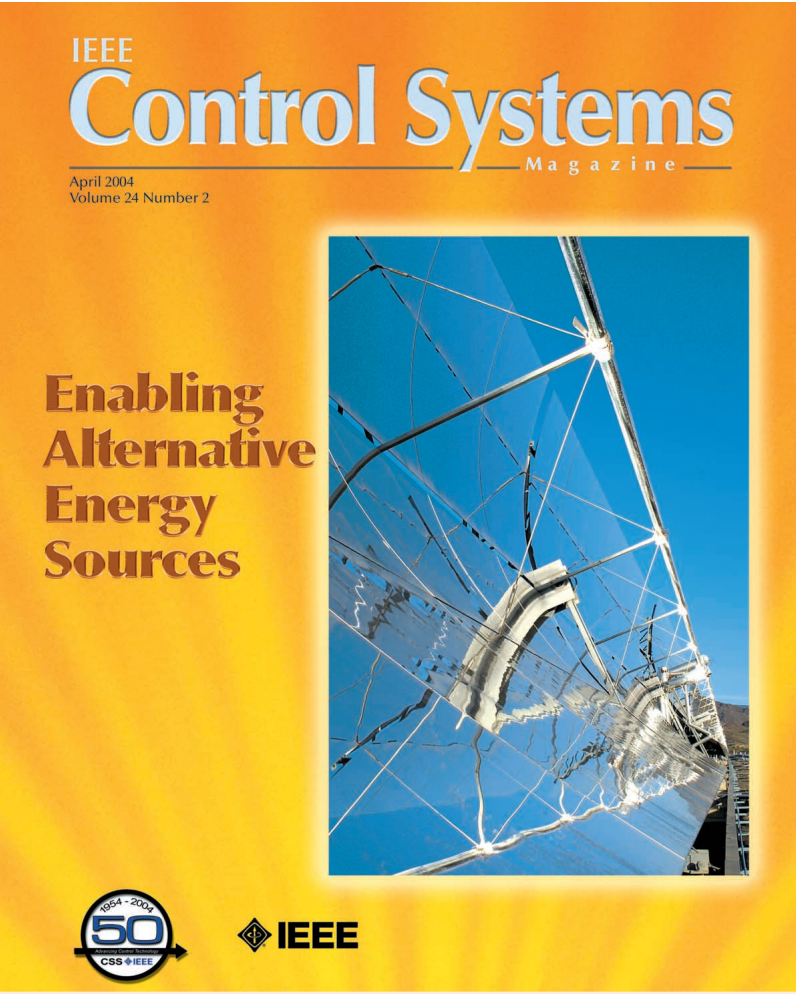
R&D&i in solar energy (3 ECTS)
- The scientific research work
- The scientific knowledge.
- Planning of scientific experimentation.
- Exploitation of results in experimental sciences.
- The Doctoral Thesis
- Scientific production and evaluation
- Scientific articles and patents.
- Magazines.
- Research projects and training of research personnel.
- Scientific facilities
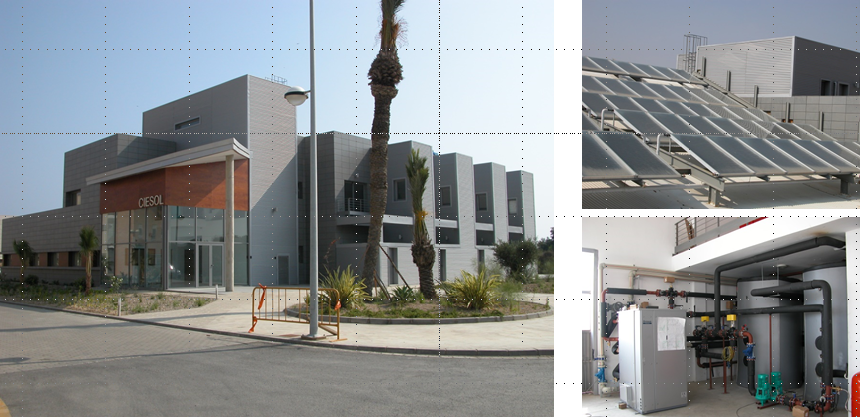
Case studies and economic analysis of projects (3 ECTS)
- Economic analysis of projects
- Practice on photovoltaics.
- Practice on building.
- Practice on greenhouses.
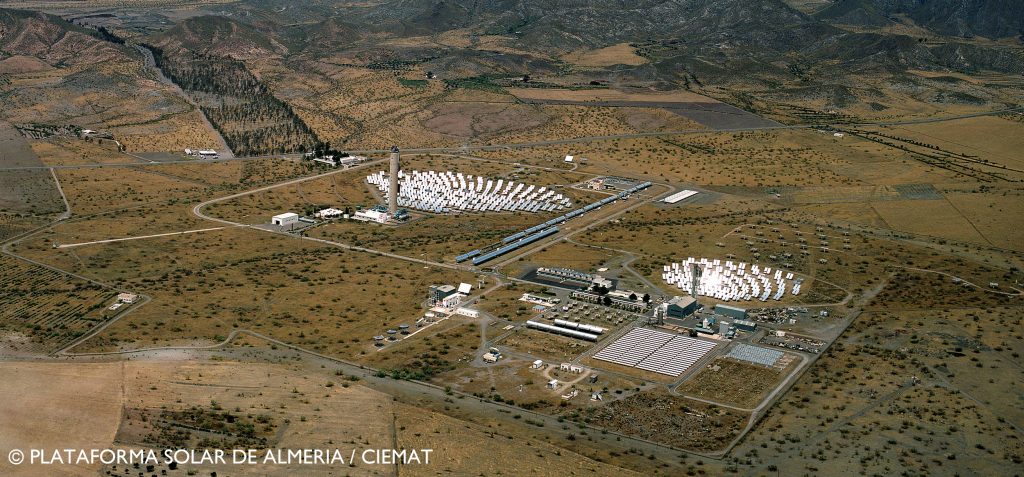
Field tests at PSA (3 ECTS)
- Practice on Solar Thermal Concentration Systems.
- Practice on desalination by means of solar energy.
- Practice on detoxification by means of solar photocatalysis
Masters’ project (3 ECTS)